"A drift is never an isolated accident: it is an experiment that carries on by itself, once the hand that launched it has withdrawn. This notebook follows a swarm from a Brazilian laboratory to an entire continent, and asks what the escape of a few dozen queens can teach about the unpredictability carried by any intervention upon the living. Five pieces, from a thermal defence to an etymology, to measure how far nature escapes those who claim to steer it."
— The Conservateur
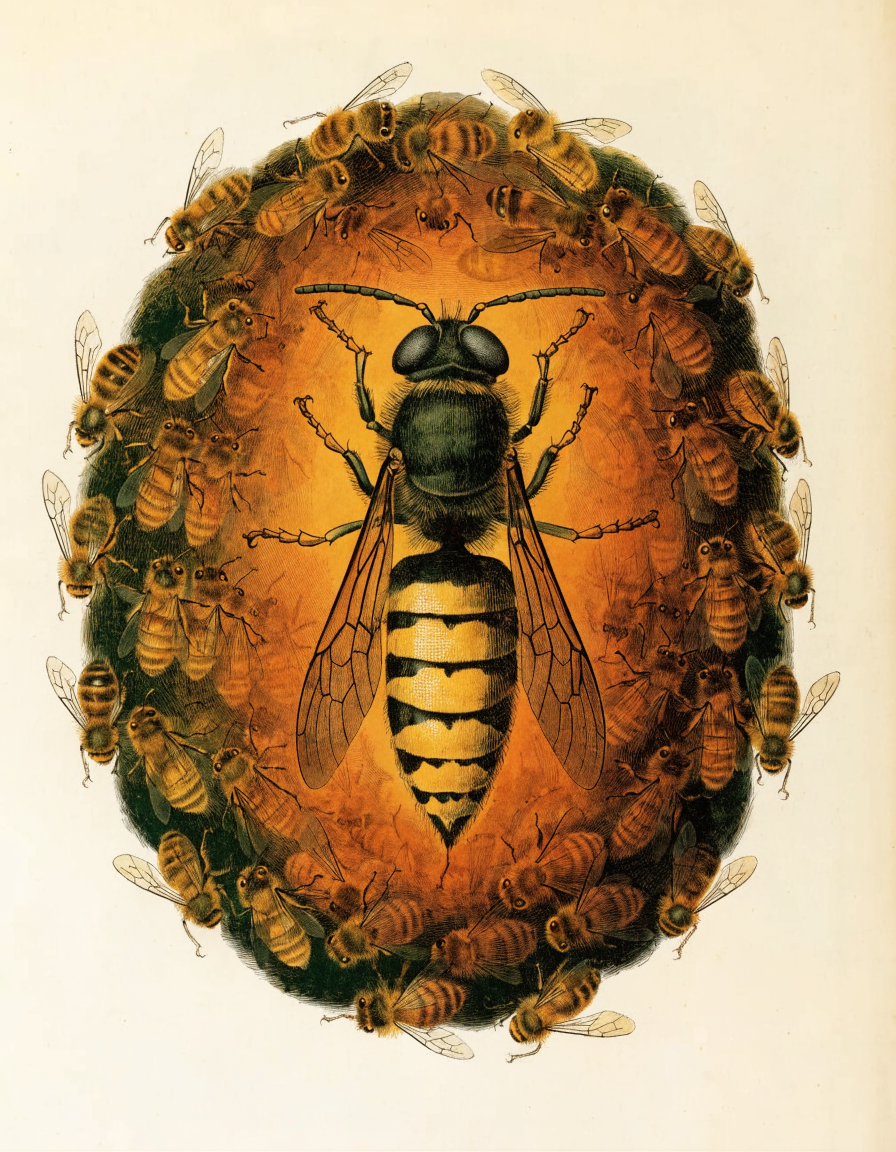
Facing the predatory hornet, the Asian honeybee (Apis cerana) has developed a defence its European cousin lacks: the thermal ball. As soon as a hornet approaches the hive entrance, dozens of workers throw themselves upon it and, in a single movement, wrap it in a tight and vibrating cluster.
Once the intruder is trapped, the bees vibrate their flight muscles without beating their wings, exactly as they do to warm the brood in winter. The temperature at the core of the cluster then rises to nearly 45 to 46 °C, a lethal threshold for the hornet yet one the bee itself can still endure. The whole defence rests on that narrow difference in heat tolerance.
The European honeybee (Apis mellifera), which has not co-evolved with this predator from Asia, has no comparable answer. A single family of insects thus carries radically different survival repertoires, shaped by distinct geographical histories. Where one has learned to cook its enemy, the other remains without any learned defence.
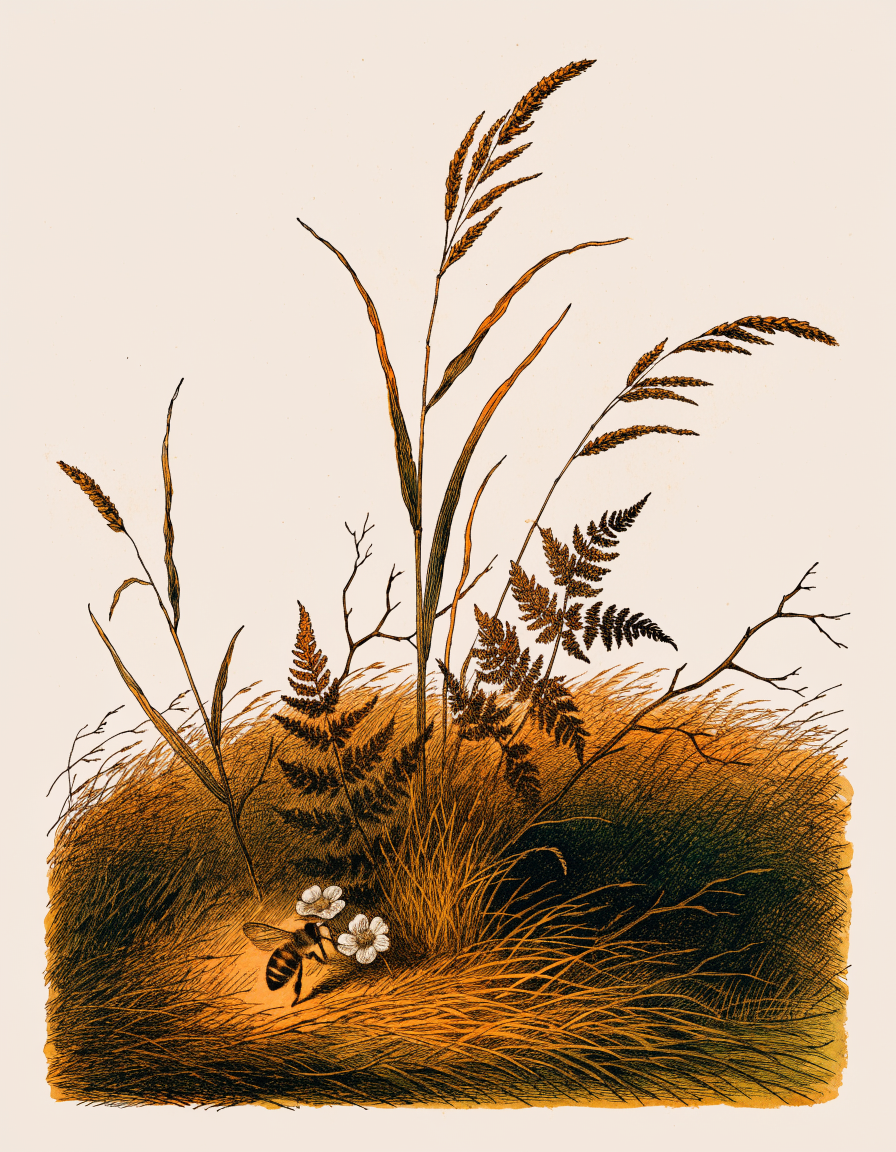
Once the great flowerings of spring and early summer have passed, much of temperate Europe enters, in August, what beekeepers call the dearth: a period when melliferous flowers grow scarce and nectar ceases to flow. The hive, at the height of its population, must then slow down.
The colony draws on its honey reserves and contracts its activity. The queen reduces her laying, foragers travel greater distances for a thinner return, and any late resource, wayside bramble, lucerne, mountain heather, takes on decisive importance.
This bridge between the abundance of spring and the flowerings of autumn shapes part of the beekeeping calendar. It is a reminder that the hive lives not on a continuous flow, but on a succession of contrasting seasons, where thrift counts as much as harvest.
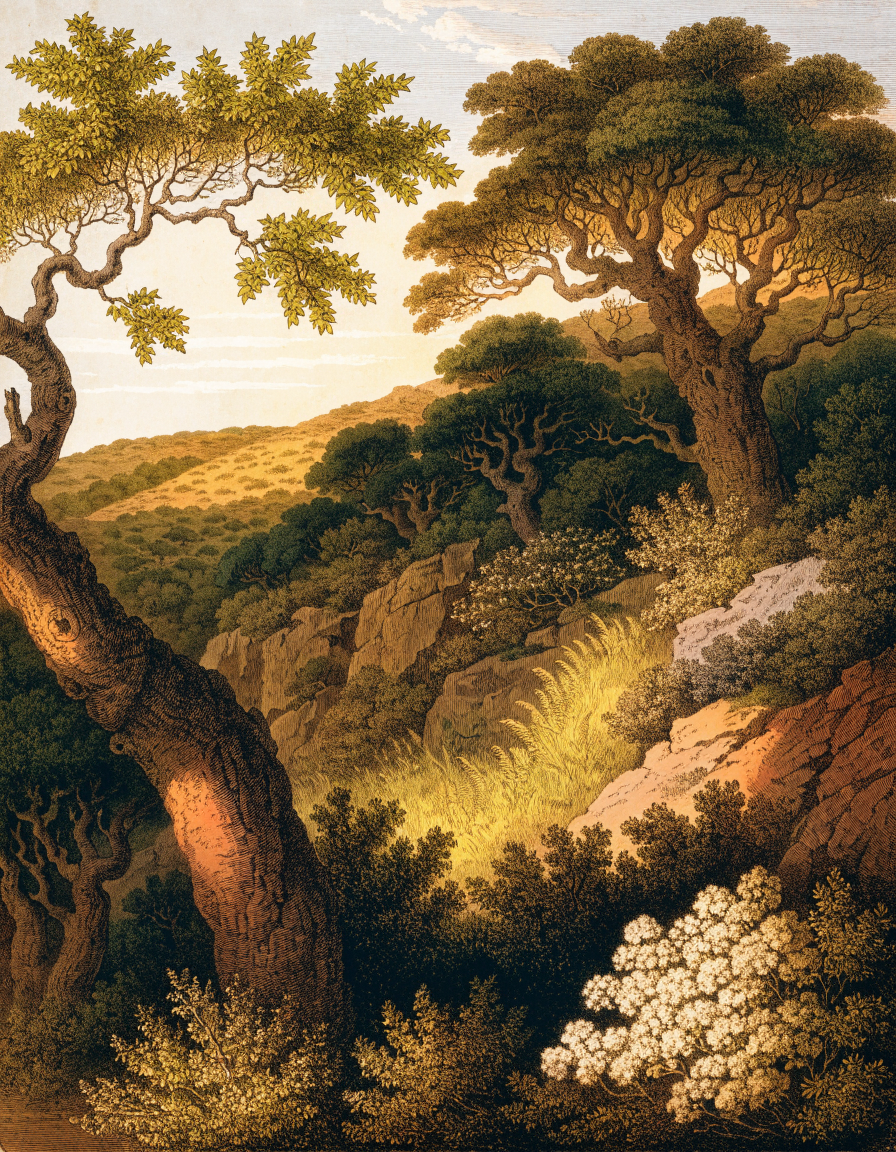
The appellation "Miel de Corse, Mele di Corsica" obtained French AOC status in 1998, then European PDO status in 2000. Far from designating a single product, it recognises six distinct honeys, defined by harvest season and foraged vegetation: spring, spring maquis, summer maquis, autumn maquis, chestnut grove and maquis honeydew.
The specification imposes a strict constraint: both nectar and honeydew must come exclusively from the island's spontaneous plant associations, gathered by the Corsican bee ecotype. No dedicated planting, no outside input; it is the floral calendar of Corsica itself that dictates the colour and taste of each harvest.
More than 160 beekeepers reportedly produce under this label today, according to industry figures, covering a large share of the island's apiary stock. The appellation offers a rare case: a single regulatory name that, rather than flattening it, protects and sets in order the diversity of an entire terroir.
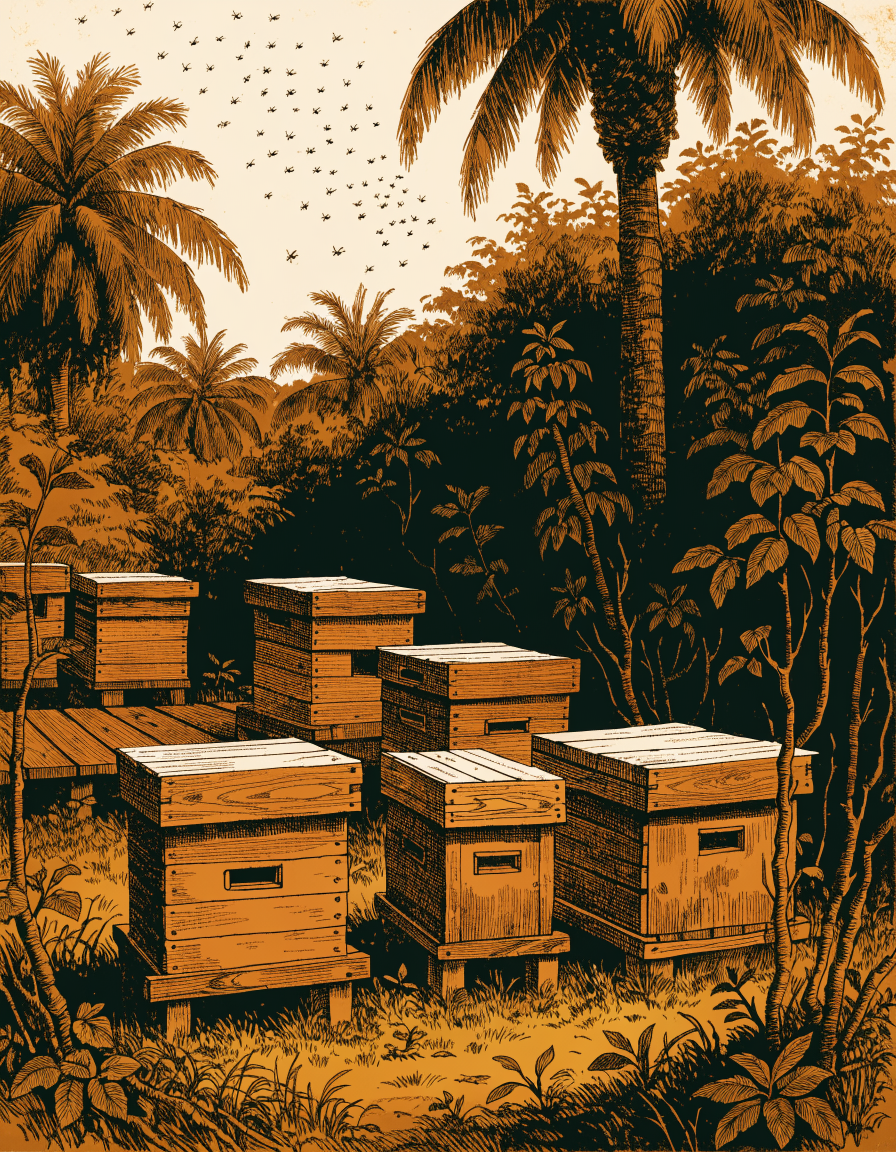
In 1956, the Brazilian geneticist Warwick Estevam Kerr imported into Brazil, for a beekeeping improvement programme suited to the tropical climate, 62 queens of the African subspecies Apis mellifera scutellata, reputed to withstand heat better than the European lineages already present.
Installed at a research centre in Rio Claro, in the state of São Paulo, these queens were crossed with colonies of Apis mellifera ligustica and iberiensis. The experiment was controlled, the stock confined. In 1957, however, the accidental escape of 26 hybrid swarms tipped the programme beyond the laboratory walls.
What had been a selection trial became a continental colonisation, advancing 300 to 500 kilometres a year. The so-called Africanised population gradually spread across Latin America, then into the southern United States. The next instalment of this serial, in the coming number, will follow its trail.
A resin that bees gather from buds and bark, then blend with wax and their own secretions, propolis serves to line the hive: it sanitises the walls and seals the smallest gap. Its name already states its function, from pró, "before", and pólis, "the city": that which stands at the entrance to the city, and guards it.
 The Honey Factories